




Uncovering the Brain’s Flexible Mechanisms for Representing Diverse Numbers
Abstract
Background
Achievements
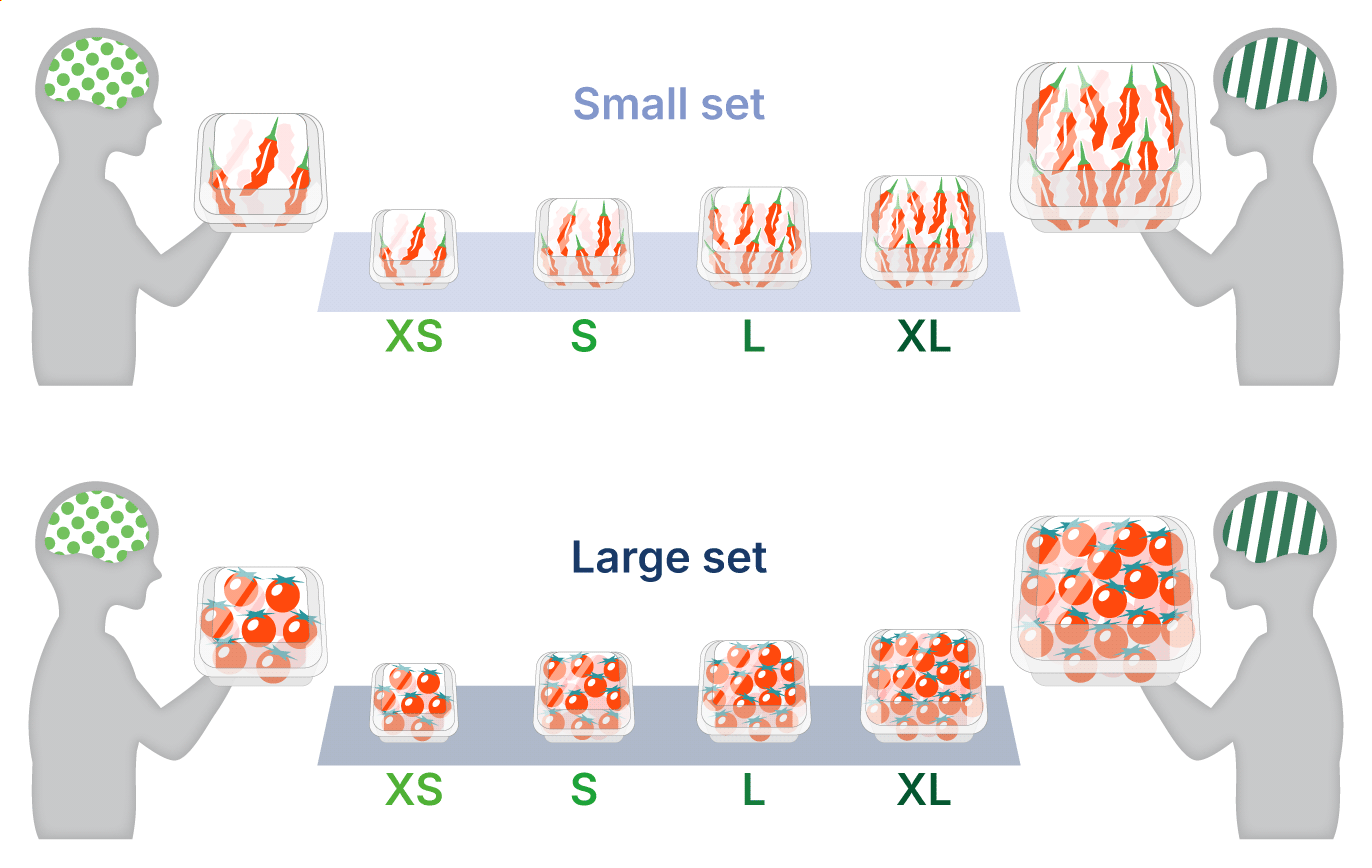
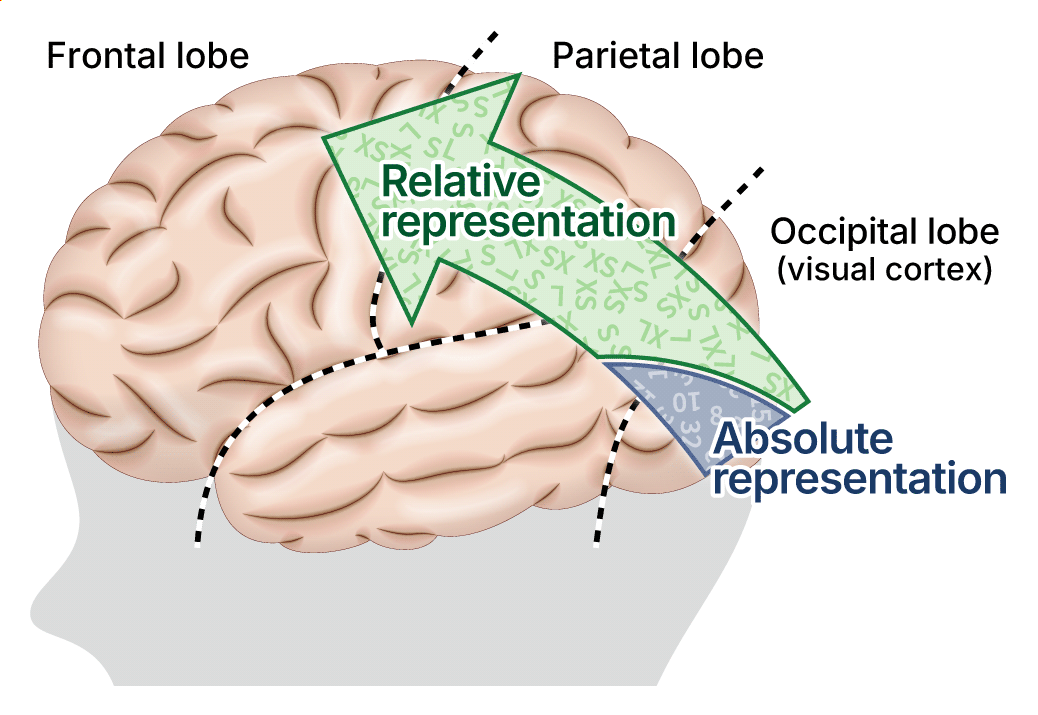
[Click picture to enlarge]
Future Prospects
Article information
Research team
KIDO Teruaki
Graduate Student, Department of Life Sciences, Graduate School of Arts and Sciences, The University of Tokyo, Tokyo, Japan
Cooperative Visiting Researcher, Center for Information and Neural Networks (CiNet), Advanced ICT Research Institute, National Institute of Information and Communications Technology, Suita, Japan
YOTSUMOTO Yuko
Professor, Department of Life Sciences, Graduate School of Arts and Sciences, The University of Tokyo, Tokyo, Japan
HAYASHI Masamichi
Researcher (Tenure-Track), Center for Information and Neural Networks (CiNet), Advanced ICT Research Institute, National Institute of Information and Communications Technology, Suita, Japan
Guest Associate Professor, Graduate School of Frontier Biosciences, Osaka University, Suita, Japan
Appendix
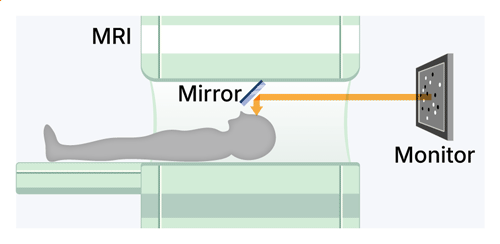
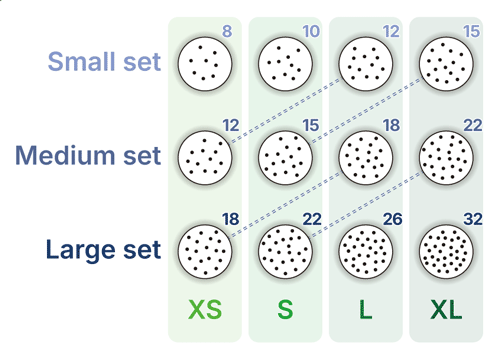
Experimental Procedure
Glossary
Functional magnetic resonance imaging (fMRI) When neurons in the brain become active, they require more oxygen, leading to an increase in the proportion of oxygenated hemoglobin, which is a form of hemoglobin in red blood cells that is bound to oxygen. fMRI is a specialized imaging technique that utilizes MRI to detect this as a change of signal intensity known as the blood-oxygen-level-dependent (BOLD) signal. In fMRI, the brain is divided into millimeter-scale cubic units called voxels, and BOLD signals are measured for each voxel. This allows researchers to identify which areas of the brain are active. Back to contents
Multivariate pattern analysis (MVPA) Multivariate Pattern Analysis (MVPA) is a method to decode how the brain represents information by analyzing the pattern of BOLD signals across voxels. Back to contents
Technical Contact
HAYASHI Masamichi
Brain Networks and Communication Laboratory,
Center for Information and Neural Networks,
Advanced ICT Research Institute
 nict.go.jp
Media Contact
Press Office
Public Relations Department
nict.go.jp